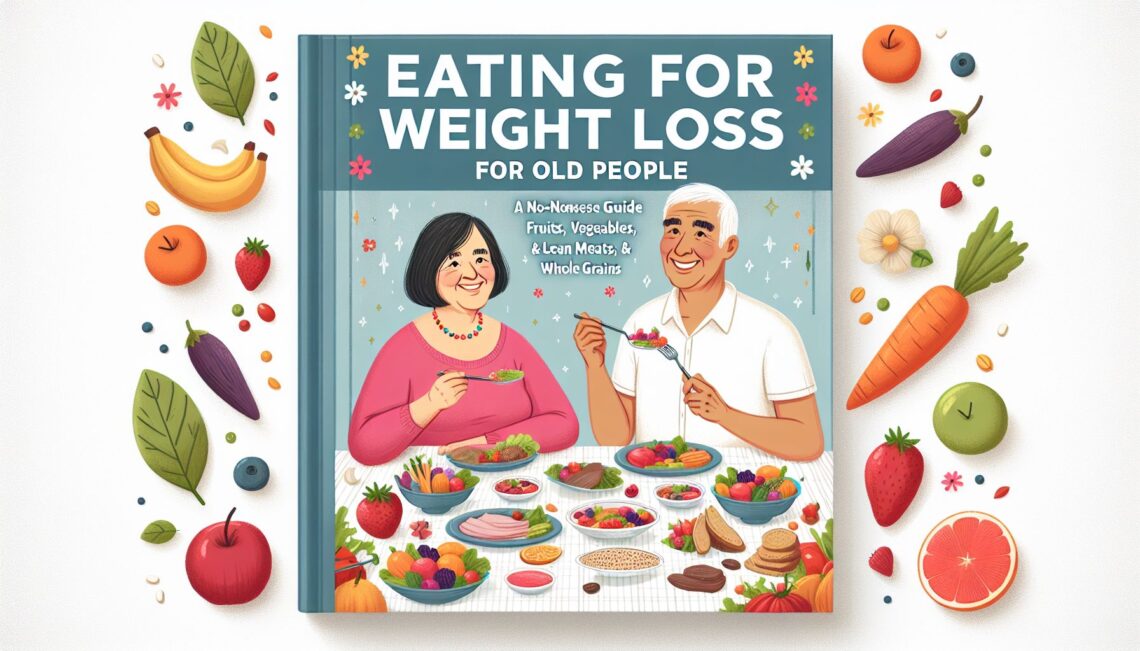
Eating for Weight Loss for Old People: A No-Nonsense Guide
As we age, maintaining a healthy weight becomes increasingly important in order to prevent chronic diseases like heart disease, diabetes, and high blood pressure. Many older adults struggle with weight gain due to a decrease in metabolism, loss of muscle mass, and a more sedentary lifestyle. If you’re an older adult looking to shed some pounds, it’s crucial to pay close attention to your diet and make smart choices about what you eat. In this no-nonsense guide, we will outline some key principles for eating for weight loss for old people.
Portion Control is Key
One of the most important aspects of eating for weight loss is portion control. As we age, our bodies require fewer calories to maintain our weight, so it’s crucial to be mindful of how much we are eating. Instead of supersizing your meals or going back for seconds, try using a smaller plate to help control portion sizes. Additionally, listen to your body’s hunger cues and stop eating when you feel satisfied, rather than when your plate is empty.
Choose Nutrient-Dense Foods
When it comes to weight loss, not all foods are created equal. Focus on filling your plate with nutrient-dense foods like fruits, vegetables, whole grains, lean proteins, and healthy fats. These foods are packed with essential vitamins and minerals that your body needs to function properly, while also keeping you feeling full and satisfied. Avoid empty-calorie foods like sugary snacks, chips, and processed foods, which can contribute to weight gain without providing any nutritional value.
Watch Your Sugar Intake
Sugar is a major contributor to weight gain and can be particularly harmful for older adults, as it can lead to inflammation, insulin resistance, and other health issues. Be mindful of your sugar intake by reading food labels and avoiding foods with added sugars. Instead, opt for natural sources of sweetness like fruits or other whole foods. If you have a sweet tooth, try satisfying your cravings with small portions of dark chocolate or naturally sweetened desserts.
Stay Hydrated
Many older adults mistake thirst for hunger, leading them to overeat when what their bodies really need is hydration. Drinking plenty of water throughout the day can help keep you feeling full and prevent unnecessary snacking. Aim to drink at least 8 cups of water a day, and consider keeping a water bottle with you at all times to stay hydrated on the go.
Be Mindful of Emotional Eating
Many older adults struggle with emotional eating, using food as a coping mechanism for stress, boredom, or loneliness. If you find yourself turning to food for comfort, try finding other ways to manage your emotions, such as going for a walk, practicing mindfulness, or talking to a friend. By being mindful of your emotional triggers and finding healthier ways to cope, you can avoid unnecessary weight gain and stay on track with your weight loss goals.
Conclusion
When it comes to eating for weight loss as an older adult, it’s important to be disciplined, consistent, and mindful of your choices. By focusing on portion control, choosing nutrient-dense foods, watching your sugar intake, staying hydrated, and being mindful of emotional eating, you can make smart choices that will help you reach your weight loss goals and improve your overall health. Remember, it’s never too late to make positive changes to your diet and lifestyle, so start today and see the benefits of a healthy, balanced diet on your weight and well-being.