Eating for Weight Loss for Athletes
As an athlete, maintaining a healthy weight is crucial for optimal performance. However, many athletes struggle with finding the right balance between fueling their bodies for exercise and managing their weight. By following a proper diet and making smart food choices, athletes can achieve their weight loss goals without compromising their performance.
Introduction to Eating for Weight Loss
Weight loss for athletes is not simply about cutting calories or restricting food intake. It is important to fuel your body with the right nutrients to support your workouts and recovery. A balanced diet that includes a variety of foods from all food groups is essential for both weight loss and athletic performance.
The Role of Macronutrients in Weight Loss
Macronutrients, including carbohydrates, protein, and fats, play a crucial role in fueling your workouts and supporting your body’s recovery. Carbohydrates are your body’s primary source of energy, so it is important to include complex carbohydrates like whole grains, fruits, and vegetables in your diet. Protein is essential for muscle repair and growth, so be sure to include lean sources of protein like chicken, fish, and beans in your meals. Fats are also important for overall health and should come from sources like nuts, seeds, and avocados.
Prioritize Nutrient-Dense Foods
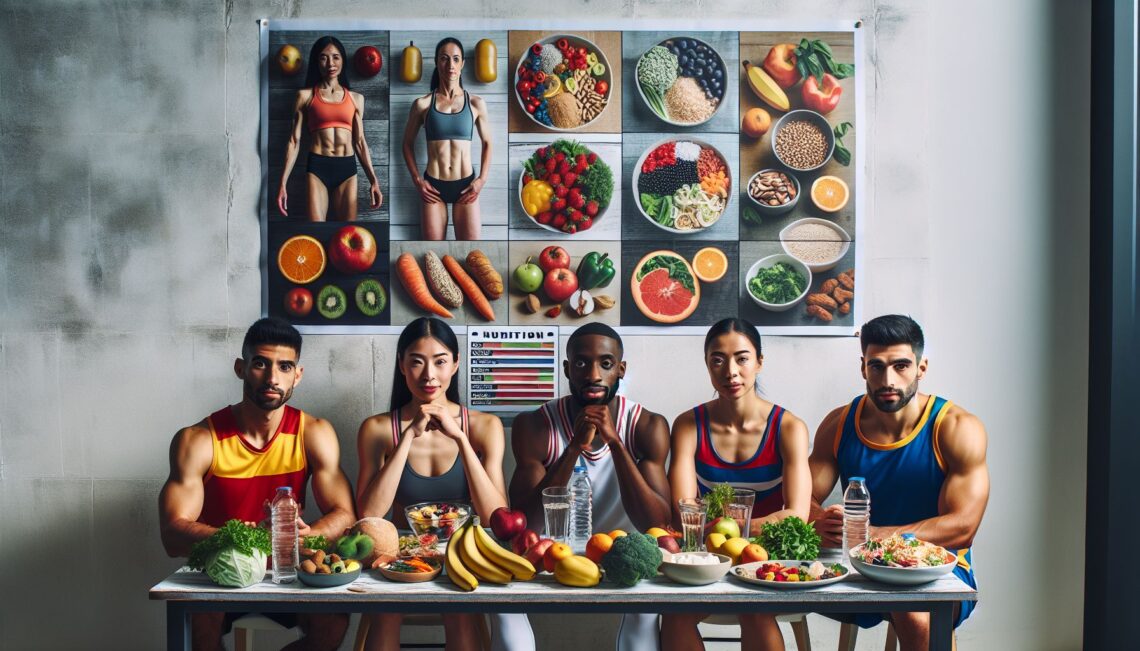
When trying to lose weight, it is important to prioritize nutrient-dense foods that provide essential vitamins and minerals without excess calories. Fill your plate with colorful fruits and vegetables, whole grains, and lean protein sources. Avoid processed foods and sugary snacks, as they can sabotage your weight loss efforts and hinder your athletic performance.
Mindful Eating and Portion Control
Practicing mindful eating and portion control can help you manage your weight and prevent overeating. Pay attention to your hunger cues and stop eating when you are satisfied, not stuffed. Use smaller plates and bowls to help control portion sizes, and take your time to savor each bite. Avoid distractions while eating, such as watching TV or scrolling through your phone, as this can lead to mindless eating.
Hydration and Weight Loss
Staying hydrated is essential for weight loss and athletic performance. Dehydration can lead to decreased energy levels and hinder your exercise performance. Aim to drink at least eight cups of water per day, and hydrate before, during, and after your workouts. Avoid sugary drinks and excessive caffeine, as they can add unnecessary calories to your diet.
Meal Timing and Frequency
Eating at regular intervals throughout the day can help regulate your metabolism and prevent overeating. Aim to eat three balanced meals and 1-2 snacks each day to keep your energy levels stable and support your workouts. Avoid skipping meals, as this can lead to overeating later in the day. Fueling your body consistently is key to weight loss success for athletes.
Conclusion
Eating for weight loss as an athlete requires a balanced approach that prioritizes nutrient-dense foods, portion control, and hydration. By following a proper diet and making smart food choices, athletes can achieve their weight loss goals without compromising their performance. Remember to fuel your body with the right nutrients to support your workouts and recovery, and consult a Registered Dietitian for personalized nutrition advice. With consistency and dedication, you can reach your weight loss goals and perform at your best as an athlete.